Understanding the SOSTAC Marketing Model: A Comprehensive Guide
It may seem obvious, but first, we will explain the word “model” because this explanation saves us from future problems and misunderstandings. A model in our discussion is actually a simplified representation of a concept that we use to simulate reality. A model is like a map. Any model may be incomplete and, in places, far from reality! We do not have a complete model, and this is not a problem. The important thing is that the model is useful and works.
What are Marketing Models?
Marketing models are frameworks designed to simulate the market environment and make marketing and sales easier. That is why so many marketing models have been introduced in the marketing world. Some are outdated, and some have been updated. Using a marketing model allows you to design a robust marketing strategy and present a clear marketing plan. Of course, it is not so easy! To succeed, you need accurate data about your current status, your competitors, and future trends. You need to understand your business model and the ecosystem of your audience.
Some models are suitable for small and medium enterprises (SMEs) or startups, while others are designed for large companies or enterprises. Some, like the SOSTAC model, are versatile and can be implemented everywhere. For instance, the STP model is excellent for startups and SMEs, while the RACE model is often suitable for larger enterprises.
What is the Difference Between Digital Marketing Models and Traditional Marketing Models?
Because digital marketing is often distinguished by its specific tools and channels, people assume it requires entirely different models. However, digital marketing is still marketing. Traditional marketing models can be applied to digital marketing; you simply need to consider the specific nuances of digital media. That said, certain frameworks like SOSTAC have gained a reputation as a premier model for digital marketing planning.
What is the SOSTAC Model?
The SOSTAC model is one of the most popular frameworks among digital marketers globally. According to a survey conducted by the Chartered Institute of Marketing, this model was ranked among the top three most popular models out of 12 famous frameworks. The SOSTAC model was developed by PR Smith in the 1990s and later published in 2004 in “Strategic Marketing Communications.”
The SOSTAC model can be used both as a macro framework for your overall marketing strategy and on a smaller scale to improve specific tactics like SEO or email marketing.
SOSTAC stands for six words, representing the fundamental principles of marketing planning. At a glance, the SOSTAC model involves the following six steps:
- Situation: Where are we now?
- Objectives: Where do we want to be?
- Strategy: How do we get there?
- Tactics: How exactly do we get there?
- Action: What is our detailed plan?
- Control: Did we get there?
Key Principles of the SOSTAC Model
PR Smith outlines several key principles for using this model effectively:
- Use SOSTAC to Review the Entire Process: Before implementing the steps, use the framework to audit your current activities. Identify what you are good at. You may be spending too little time on analysis or neglecting strategy setting.
- Balance Between Different SOSTAC Steps: Don’t get stuck in analysis paralysis. A common formula for time balance is:
- Situation (20%)
- Objectives (5%)
- Strategy (45%)
- Tactics (30%)
Note: While strategy and tactics require the most time, all elements are necessary.
- Summarize Your Status with the TOWS Matrix: To maintain focus during your situation analysis, use the TOWS matrix (Threats, Opportunities, Weaknesses, Strengths). This helps convert a standard SWOT analysis into actionable strategies.
- Make Your Goals SMART: Digital marketing is fully measurable. Achieve your goals by setting precise targets and drawing conversion funnels. Don’t neglect the 5Ss model when choosing these goals.
- Combine SWOT Elements: To make your plan productive, summarize your SOSTAC-based plan in a comprehensive table.
| Short Term Objectives | Achieving Goals (Analysis) | Strategies to Achieve Goals | Vital Signs of Success (KPIs) |
|---|---|---|---|
| 1- Acquisition Attract 50,000 new customers online this year, with a CPA (Cost Per Acquisition) of $300 and an average profitability of 5% per customer. |
Estimated growth based on current sales of 40,000 per year, with a gradual increase in new sales and SEO collaboration programs. | Start a sales and SEO collaboration program. Use a combination of PPC and offline media ads. | Total cost per acquisition. Percentage of sales from partnerships. Number of strategic real organic visitors ranking well in Google results. |
| 2- Migration/Conversion Migrate 40% of existing customers to online payment and email communication within 3 years. |
Estimate current migration rates based on uptake from direct marketing campaigns. | Direct marketing campaign using email, phone, and online persuasion to drive change. | Number/percentage of customers registered for online services. Number/percentage of customers actively using online services immediately after registration. |
| 3- Conversion Rate Increase the average purchase value per customer to $42,000. |
Growth estimate based on AOV (Average Order Value) of $35,000 plus a 20% bid increase. | Implement systems for cross-selling (recommending similar products) in every category. | Percentage of visitors who respond to cross-sell offers. |
Step 1: Situation Analysis in the SOSTAC Model
At this stage, you must define the status and general profile of your organization. Who are you? What do you do? And how do you conduct online business? To do this, you must address internal and external factors affecting your business.
To draw a clear picture of your organization at this stage, utilize the following methods:
- Digital Customer Profiling: Who are your current digital customers? (How they interact with the brand, what platforms they use, their demographics). Define your Online Value Proposition (OVP). You can also use the 6Cs model, a framework for motivating customers, to visualize your business and differentiate it from the competition.
- SWOT Analysis: What are the Strengths, Weaknesses, Threats, and Opportunities of your entire organization?
- Competitor Analysis: Who are your competitors? How do they compete? Compare price, product, customer service, and reputation.
- Digital Channel Mapping: List all digital channels you use. Which perform well, and which perform poorly?
Understanding the Customer Persona
Accurate knowledge of customer moods and behaviors helps you identify current customers and understand their motivations. Use CRM data and analytics to build a customer persona. Create scenarios for each persona to engage them deeper with your brand. This granular detail is essential for modern marketing.
Perform your SWOT Analysis not just for marketing, but across your organization. Interview colleagues, suppliers, and customers. Use the TOWs matrix to link these insights directly to your strategy.
Step 2: Objectives in the SOSTAC Marketing Model
Once the market environment and situation are determined, focus on the short-term goals of your strategy. You can work with the 5S’s to set goals and ensure every objective is SMART (Specific, Measurable, Achievable, Relevant, and Time-bound).
The 5S Model for Setting Goals
The 5S’s, also invented by PR Smith, help select goals that cover the scope of all important digital marketing activities:
- Sell: Buy real website traffic and increase sales. Start with the most important transactions that end in revenue and profit. Even if you don’t sell online directly, identify leads that convert. You can use incentives like free trials or discounts. Tip: Use conversion models or sales funnels to set quantitative targets.
- Speak: Get the word out. Connect with your audience through various digital channels. A strong blog can achieve this effectively.
- Serve: Add value. Create value for the customer by strengthening customer service on your site and social networks. Set goals to measure customer satisfaction (e.g., CSAT or NPS).
- Save: Save costs. Use digital tools to demonstrate how much you save in offline costs. This is crucial for service businesses and multi-channel vendors (e.g., reduction in printed catalog distribution).
- Sizzle: Extend the brand online! This creates “buzz” in your digital marketing and supports sales and communication. While harder to quantify than “Sell,” “Sizzle” focuses on the sensory and emotional brand experience. If visitors have a positive experience, they will return.
Step 3: Strategy in the SOSTAC Marketing Model
Strategy defines how you will achieve your ultimate goal while hitting short-term targets. It must also specify exactly which part of the market you are targeting.
Example Case Study:
Consider “Company X,” which sells World Cup apparel. They have limited financial resources compared to competitors. However, they have specific strengths: a wide product range, a flat organizational structure, and global activity.
The proposed strategy for Company X is to build a website with a superior customer service department. This site is their main advantage and should drive sales. Their strategy focuses on gaining a share of online traffic for World Cup-related searches.
Strategic Questions:
- Audience Acquisition: How do we increase brand visibility within 4 months? Generate targeted real human traffic for specific channels targeting football-loving audiences.
- Cost-Effectiveness: What is the most cost-effective marketing channel?
- Market Segments: Have we reached the core segments?
- Visibility: Where can the brand be more visible?
- Competitor Research: Analyze the online marketing tools used by competitors and capitalize on opportunities they have missed.
Step 4: Tactics in the SOSTAC Marketing Model
Tactics include the specific tools and channels you plan to use to achieve your digital marketing goals. Use the marketing mix, the 7P model, or frameworks like RACE to focus your efforts.
Once your strategy is set, detail the tactics and define the appropriate KPIs for each.
- SEO (Search Engine Optimization):
In our example, one of Company X’s weaknesses was financial power compared to deep-pocketed competitors. Therefore, SEO becomes their trump card, offering a cost-effective way to build long-term traffic. - Google Ads (PPC):
Like SEO, using insights from Google Ads provides immediate data on keyword performance in the World Cup niche. By sending Keyword Targeted Google Organic Web Traffic or running paid ads, you can increase brand visibility immediately. - Affiliate Marketing:
For Company X, launching a sales or affiliate marketing program is a vital move. It generates a steady stream of revenue through methods like lead generation, banner ads, and discount codes without upfront ad spend. - Email Marketing:
An email strategy ensures Company X communicates directly with customers. Emails must be optimized for subject lines and content to improve open and click-through rates. Weekly campaigns can incentivize newsletter signups.
Step 5: Action in the SOSTAC Marketing Model
Now we look at implementation. How do we execute the plan? All the requirements for the tactics mentioned in the previous section must be met here.
Company X Implementation Plan:
- SEO Tactics: Conduct keyword research and optimize on-page SEO (keyword density, meta tags, schema markup).
- Content: Identify top bloggers, forums, and sites that accept guest content in the World Cup niche. Use these for targeted outreach to strengthen the brand.
- Link Building: Build relationships with authoritative sites to earn backlinks and increase domain credibility.
Click Advertising Tactics (PPC):
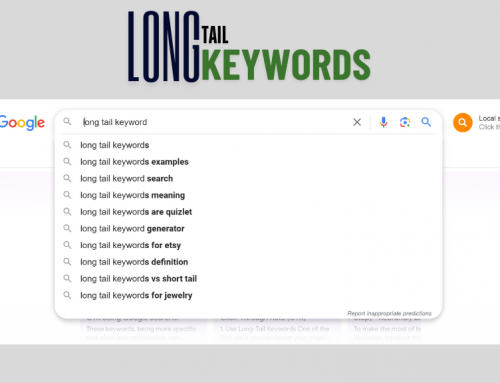
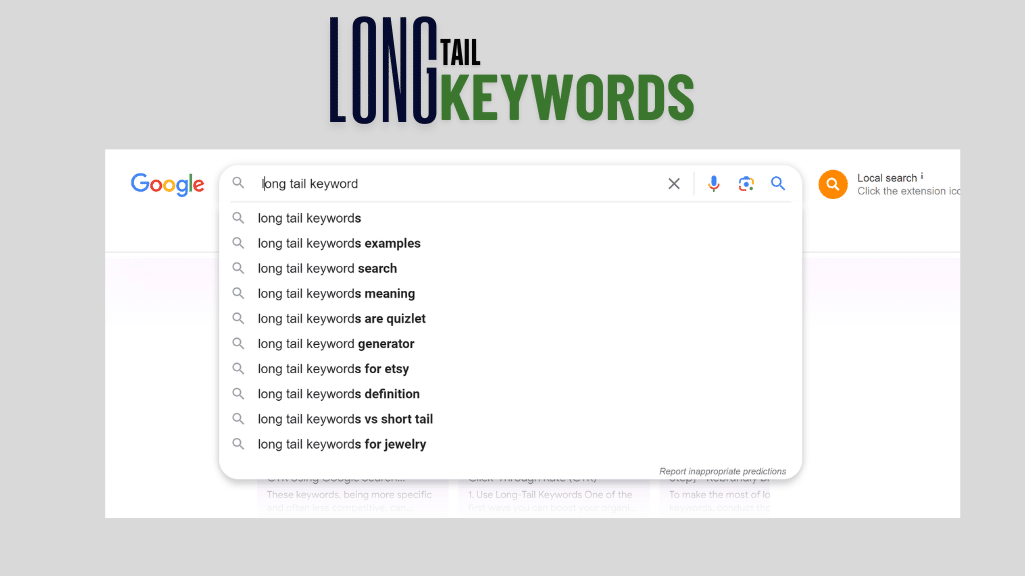
- Research: Deep dive into long-tail keywords.
- Budgeting: Allocate budget efficiently based on keyword competitiveness.
- Landing Pages: Ensure ads direct traffic to relevant, high-converting landing pages.
- Inventory: Ensure product availability aligns with paid campaigns.
Affiliate Marketing Tactics:
- Program Setup: Analyze the competitive landscape for commissions. Choose the right platform for publishers.
- Business Development: Identify key partners and invite them to collaborate.
Email Marketing Tactics:
- Tracking: Use email marketing software to track open rates, click-through rates, and conversions. Optimize subject lines based on A/B testing.
Step 6: Control in the SOSTAC Marketing Model
The final step is monitoring. Here, you choose the methods for monitoring and measuring performance against the goals set in Step 2. You should track the results of your tactics in specific analytics dashboards. Adjust KPIs (Key Performance Indicators) as needed.
Review statistical dashboards on a weekly and monthly basis to ensure you are on the right track.
Be sure to use tools like Google Analytics 4 (GA4). If you have online sales, enable Ecommerce tracking to monitor revenue accurately and gain deeper insights into which marketing strategies are delivering the best ROI.